BRIW BLOG
5 mistakes investors make when decorating an apartment (and how to avoid them in time)
Publication Date: 07/21/2026
Buying an apartment is only half the battle. The real challenge begins when you step into an empty space with keys in hand and big dreams of a perfect home. Whether you're furnishing an apartment for yourself or for resale and rental, the interior design process is a minefield for your budget and nerves if not approached smartly.

A top-notch interior is never accidental. It is always the result of detailed planning and thoughtful decisions. Unfortunately, the same mistakes are all too often seen on the ground, repeating from project to project.
From bad plumbing layouts to choosing materials that only look good in the showroom, these mistakes can seriously make your life miserable and empty your wallet before you even move in.
Lack of a detailed electricity and water plan
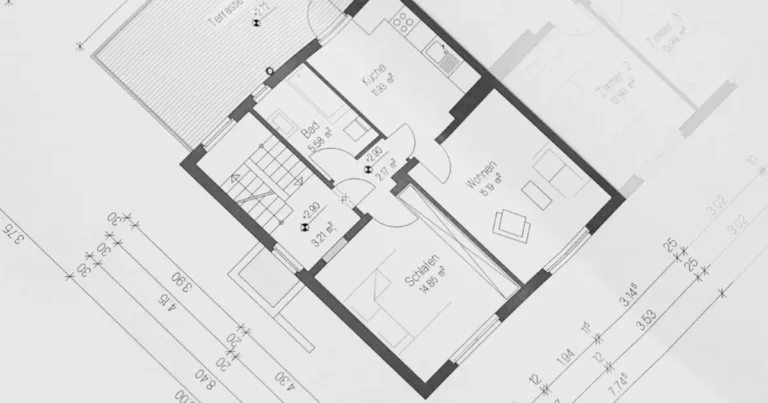
The biggest and most expensive mistake happens before you even buy the first piece of furniture. People often start working on walls and floors without a clear sketch of where everything will go, operating under the assumption that they'll figure out the details as they go.
When you finish your dream kitchen, and then realize the outlet for your oven or dishwasher has been moved half a meter, renovations become expensive and complicated.
It's similar with the living room. Nobody wants to sit on the sectional sofa while the nearest outlet for a phone charger is behind them, three meters away.
To avoid this, you need to have an exact layout plan of all elements before the craftsmen even enter the apartment. Based on this, precise positions for outlets, switches, and plumbing pipes are drawn.
Poorly planned lighting
Many investors still live under the belief that a single central light fixture in the middle of the ceiling is sufficient for an entire room.
This often results in the apartment having a cold atmosphere, and the space appears darker and visually smaller than it actually is.
The biggest problem arises when the kitchen countertop is in the shadow of your own body while preparing food, or when you have lighting in the living room that resembles a waiting room more than a cozy home.
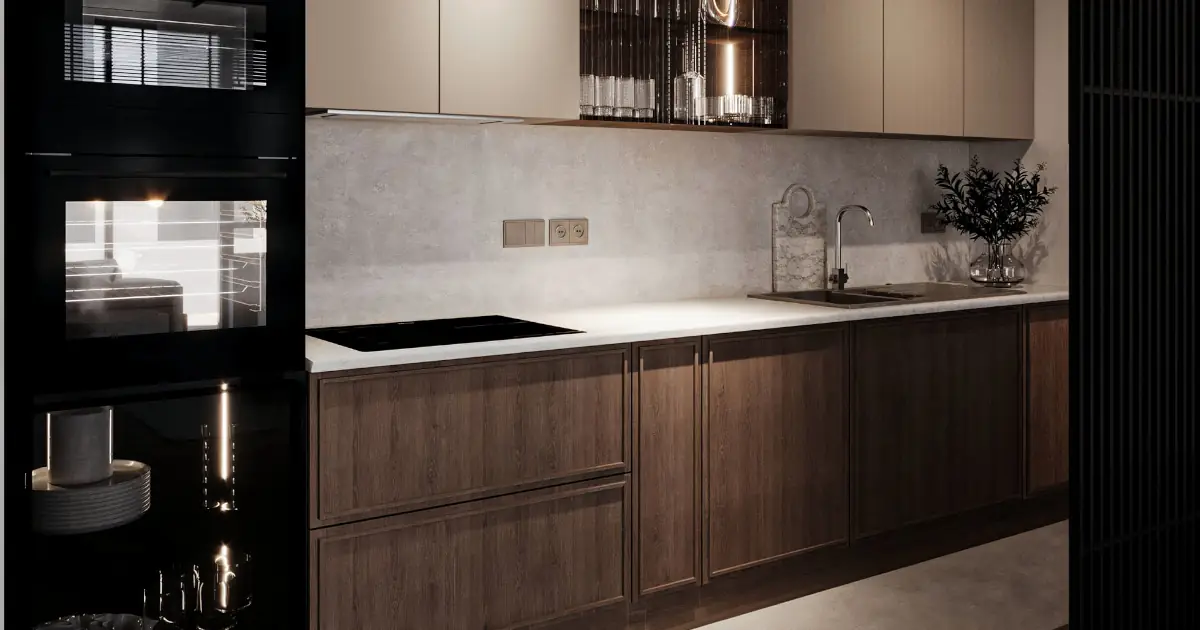
The key is to always plan lighting in layers. By combining hidden LED strips in the ceiling or elements, you get pleasant ambient light, while directional spotlights above work areas provide functionality. By adding light inside glass cabinets or on walls, you give the space much-needed depth and warmth.
Aesthetics over functionality when choosing materials
We all want our apartments to look luxurious and modern, but social media photos don't have to be cleaned and maintained. Your apartment does.
Buying beautiful matte black fronts for the kitchen or bathroom that show every fingerprint and water droplet, or installing overly sensitive wood in high-traffic areas, quickly turns into a nightmare.
If maintaining a material requires you to become a slave to your own home, it means the choice was wrong. Instead, choose materials that forgive everyday life. Today, there are phenomenal surfaces that don't show fingerprints, wood textures that are warm yet extremely durable, and high-quality composite materials for countertops that cannot be easily scratched or stained.
Oversized furniture
When you enter a spacious furniture showroom with high ceilings, large sectional sofas and massive tables look perfect. However, when you bring that same piece into the living room of an average apartment, reality quickly disproves you.
The space is becoming cramped, movement through the apartment is difficult, and visually everything looks cluttered and disproportionate.
This is why the meter is your best friend before every purchase. The safest trick is to draw the outlines of the desired furniture with chalk or tape masking tape directly onto the floor in the empty apartment before going to the showroom. This way, you will best feel in person how much space that piece actually takes up in the room.
Saving money on things that are difficult to change
When the budget starts to โpinchโ towards the end of the work โ which almost always happens โ investors often make a logical mistake and cut costs in the wrong places.
Buying cheap built-in mechanisms, poor flooring, or low-quality faucets and interior carpentry offers immediate savings, but creates enormous long-term costs.
You can replace pillows, curtains, rugs, and dressers in an hour when the budget recovers. On the other hand, replacing bad parquet flooring or a faulty concealed cistern requires re-demolition, dust, and the return of a handyman.
Smart investing means putting most of your money into the basic structure of the apartment โ floors, quality installations, and built-in systems, while you can gradually add and change the decoration.
Finally, it's important to understand that decorating an apartment should be a creative and enjoyable process, not a source of constant stress and unplanned expenses. Success doesn't lie in how much money you spent, but in how much time you dedicated to preparation before the work even began. The willingness to align visual desires with the practical needs of everyday life makes the key difference between an apartment that just looks good in photos and a home that is truly a pleasure to live in.
If you are unsure of your design abilities or simply don't have time to deal with every detail, entrusting this work to professionals in a timely manner is often the cheapest and best decision you can make for your budget and peace of mind.